
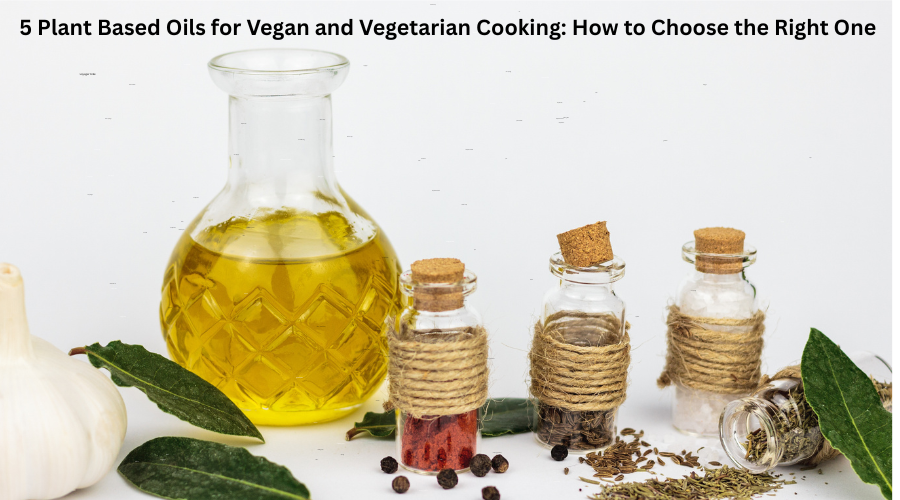
Plant based oil add that extra zing of flavor to a cuisine or dish that seperates a good dish from an exceptional one. Chefs that know the right oil to use and the correct oil addition technique can achieve can add a flavor depth that wins the hearts of the diners. The right cooking oil does more than prevent food from sticking. It adds flavor, improves texture, and brings out the genuine character of your ingredients. For vegan and vegetarian cooking, choosing the right plant based oil can turn a simple bowl of lentils, or roasted vegetables into a more satisfying dish.
Sweet almond, fractionated coconut, natural virgin olive, natural black seed and sea buckthorn berry are each different oils. The trick is knowing where each oil will add value to your cooking. There is no oil that does it all. A balanced pantry means more choice.
Before you make the decision of which oil to use, you need to understand three crucial things about oils: processing, fat composition, and intended use.
Refining the the oil dulls the oil's natural flavor and aroma. It also changes its suitability for heating. Unrefined oils generally retain more of their signature tase. Keep in mind however, this does not automatically make these oils suitable for every cooking method.
Smoke point is defined as the temperature at which an oil begins to release smoke during heating. Smoke point becomes an important oil characteristic during frying or sautéing. Here, flavor, stability, and the manufacturer's heating guidance also deserve attention.
Oils contain varying amounts of monounsaturated, polyunsaturated, and saturated fats. Additionally, different plant oils have different nutritional profiles so variety and portion size matters a lot.
Some best practices for storing plant oils are to keep them sealed away to prevent exposure to heat and light, and refrigerate them when instructed. Most importantly, use only food-grade oils intended for culinary use.
Sweet almond oil is a great option when you want your cuisine to have a delicate, nutty flavor that does not dominate the rest of the ingredients. The mild flavor notes of this oil makes it particularly appealing for fresh, delicate dishes.
A popular food dish to use this oil in is a simple salad dressing with lemon juice, herbs, and a little seasoning. Almond oil can also be drizzled over cooked vegetables or lentil dishes just before you serve. The almond oil adds richness to the dish and helps carry the flavors of your dressing across the ingredients. It works especially well when you want leafy greens, fresh fruit, or delicate herbs to remain the main attraction.
However, do not assume every almond oil behaves the same way. Refined and unrefined versions differ in flavor and suitability for heating.
A crucial point to remember: Almond oil may be unsuitable for people with tree-nut allergies. Processing can affect allergen content, so never assume an oil is safe. Before use, it is your responsibility to maintain reliable product information and appropriate medical guidance.
“Start small, taste your dish, and go from there.” You want a real flavor upgrade, not an oily bottom.
Fractionated coconut oil has been specially processed so that it stays liquid at room temperature.
Unlike regular coconut oil, which can contribute a distinct coconut flavor depending on its processing, fractionated coconut oil often has a mild taste. That makes it useful when you want to add fat without introducing another strong flavor.
Food-grade fractionated coconut oil is a good oil option to include in smoothies, selected dressings, or recipes that benefit from a neutral tasting liquid fat. For example, it blends well with a smoothie where you want the fruity flavors to dominate rather than compete with coconut notes.
Nevertheless, fractionated coconut oil is not a direct substitute for regular coconut oil in every recipe. The two differ in nearly every aspect from flavor to composition. You simply cannot expect identical results when a recipe depends on regular coconut oil's characteristic qualities.
For health-conscious individuals, it is important to note important to remember that MCT oil is concentrated fat and causes digestive discomfort, if ingested in large amounts. It is not a guaranteed weight-loss or energy solution.
If you want one oil to go with every dish, then natural virgin olive oil's versatility is something few other vegetable oils can match. Olive oil's taste varies with the olive variety and production method. The flavor can range from either fruity, grassy, or peppery. These qualities bring flavor authenticity to even the simplest ingredients.
Olive oil has been utilized to make salad dressings, dips, and marinades since ancient times. It also pairs well with a diverse variety of food recipes like beans, pasta, chickpeas, leafy greens, and roasted vegetables. Just drizzle a small amount over warm tomatoes or seasoned chickpeas will add a richness and depth that is really delicious.
Olive oil being a versatile oil, is also suitable for many moderate-heat cooking applications, provided the product and recipe are appropriate. But since oilive oil flavor and smoke point varies with each variety you need to check the label carefully.
Olive oil is either classified as "Virgin" or "extra virgin" are Extra virgin olive oil meets specific quality requirements, while other virgin classifications have their own standards.
Nutritionally, olive oil contains mostly monounsaturated fat. That makes its fat profile worth considering if you prioritize healthy eating habits.
For a stronger flavor select a peppery olive oil when you want the oil flavor to stand out. Choose a milder version of oliver oil if the food's flavor dpeends on tomatoes, herbs, or other ingredients. This small detail can greatly improve a dish's flavor.
Natural black seed oil, also called black cumin or nigella seed oil has a bold flavor that is hard to miss. It feels earthy, peppery, or slightly bitter. This plant oil is not the same as common cumin seed oil, so you need to check the product name carefully when buying it.
This is a specialty oil with a strong taste so pouring it freely into every recipe is not right. It is only used as finishing touch, rather than an ingredient. Just a few drops in a bean dip, vegetable soup, or roasted vegetable dish is enough. An innovative way to use this is to experiment with lentils and other legumes, where its distinct taste blends well with familiar savory flavors.
To make it better mix it with other ingredients that can control its intensity. Lemon adds brightness, garlic gives some savory depth, and warming spices help round out the flavor.
Finally, make sure the item is food-grade and that you will need to store it properly.
From a health perspective this oils is not known for being especially nutritious unlike olive. Moreover research is still being done on its properties. So including it as a regular part of diet in large amounts is not advisable.
Sea buckthorn berry oil is a specialty ingredient for cooks who enjoy experimenting with unique flavors. This plant oil is made from the berries. It is different form a similar sounding oil called sea buckthorn seed oil so do not buy that mistakenly. The two products have different compositions and culinary characteristics.
Berry oil is known for its vivid color and has a tart, fruity, and sometimes intense flavor. That combination can bring an unusual flavor depth to otherwise familiar dishes. However, its color and taste can easily overpower delicate ingredients.
One way to use this plant oil is to mix a small amount of food grade sea buckthorn berry oil into a dressing or sauce. Another way is to test the flavor combination by adding it to smoothies, grains, and cooked vegetables. Pair it with complementary ingredients. Taste it during dish preparation and increase the quantity only when the balance feels right.
Do not let this fool you into treating every sea buckthorn product as a kitchen ingredient. Some oils are marketed for topical use rather than consumption.
Although sea buckthorn products are associated with various nutrients and traditional uses, these facts do not prove medical benefits. Think of berry oil as a distinctive culinary ingredient, not a replacement for a balanced diet.
You do not need five specialty oils for everyday home cooking. The best way is to start with a versatile everyday option, such as olive oil. Then add one or two specialty oils to your food pantry for special dishes.
If you are a health conscious person then the best way to include oils as part of healthy diet is to add them to healthy meals centered around vegetables, legumes, whole grains, nuts, seeds, and other protein sources. Oils contribute flavor and energy, but they only work best as part of a varied eating pattern. Since oils are energy-dense, portion size matters if you monitor your overall intake.
A real improvement in cooking does not require the most expensive or exotic oil. It's the one thing you need to know about an ingredient. Use one oil at a time. Taste as you go along and let the flavor guide you. And that’s how you add more value to every meal.


Have a question or need a quote? Fill out this form and our team will get back to you quickly!
 jxtctrxl01@163.com
 15279682788